Nursery Room Decorations: Safe, Smart & Stylish
Reading Time - ...
Setting up a nursery is one of the first big projects for expectant parents, often filled with excitement, anticipation, and a desire to create a beautiful, welcoming space. It's easy to get swept up in the visual appeal of tiny furniture, adorable themes, and perfectly coordinated accessories. However, beneath the surface of cute patterns and charming designs lies a more profound consideration: how the choices we make for our baby's room directly impact their safety, comfort, and development. The ideal nursery is more than just a pretty picture; it's a functional, secure sanctuary designed with a baby's needs at its core.
This guide moves beyond fleeting trends to focus on what truly matters. We'll explore how to approach decorating your nursery with a balance of aesthetics, practicality, and evidence-based safety, ensuring the environment you create supports your baby's well-being from day one. Understanding the foundational elements of a safe nursery is the most important step, setting the stage for all other design decisions, including the selection of thoughtful
Beyond the Aesthetics: What Truly Matters in Nursery Decor?
The Evolution of Nursery Design: From Trends to Trustworthy Choices
The concept of a nursery has evolved significantly. Decades ago, nurseries might have been seen as simply a place for a baby to sleep, often outfitted with whatever was practical or available. Today, the nursery is increasingly viewed as a thoughtfully curated space, a reflection of parental style and aspirations. While trends in nursery design, like gender-neutral themes or specific animal motifs, are fun to explore. Pinterest trends show over 60% of parents prefer gender-neutral themes. It's essential to remember that these are secondary to the room's primary functions: safety and comfort. The market reflects this shift, with parents spending an average of $1,500-$3,000 on nursery decor and furniture, according to a 2023 survey. This investment signifies a desire for a well-appointed space, but the true value lies in making choices that are informed by current understanding of child development and safety standards.
Why Your Choices Impact More Than Just the Room's Look
Every element introduced into a nursery, from paint colors to the smallest decorative accessory, can influence a baby's environment. For example, the materials used in bedding, toys, and wall coverings can affect air quality and a baby's sensitive skin. The placement and type of lighting can impact sleep patterns. Even the physical layout, including the accessibility of storage for toys and supplies, contributes to the overall function and stress levels for caregivers. When considering
Navigating the Decor Environment: A Parent's Perspective
As parents, we want to make the best decisions for our little ones, and the sheer volume of options available can be overwhelming. Online marketplaces like Amazon and retailers like Target offer endless choices for
Creating a Safe Sleep Environment: The Foundation of Nursery Design

Understanding Safe Sleep Guidelines: What the Experts Recommend
The most critical aspect of nursery design is ensuring a safe sleep environment. Organizations like the American Academy of Pediatrics (AAP) provide evidence-based guidelines to reduce the risk of sleep-related infant deaths, including Sudden Infant Death Syndrome (SIDS). These recommendations are foundational to nursery decor choices. Key tenets include placing infants on their back to sleep, using a firm, flat sleep surface, and ensuring the sleep area is free from soft bedding, bumpers, pillows, and loose blankets. The goal is to create a minimalist sleep space that minimizes potential hazards. Understanding these guidelines, which are consistently reinforced by pediatricians and public health bodies, means that decorative choices should never compromise the core principles of safe sleep. This is the bedrock upon which all other nursery design decisions should rest.
The Role of Bedding: Material, Fit, and Breathability
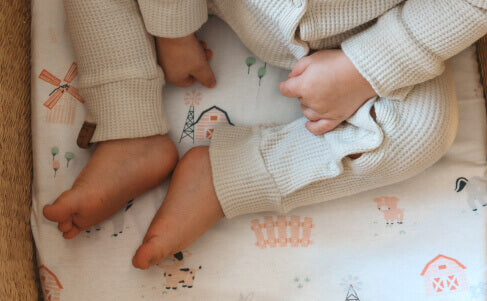
Bedding is a central element in any nursery, and its properties are paramount for safety and comfort. While decorative crib skirts or elaborate bumper pads might seem appealing, they pose suffocation and entrapment risks and are not recommended by safe sleep experts. The focus for crib bedding should be on a well-fitting, single crib sheet made from breathable, natural materials. Cotton jersey knit, for example, offers a soft feel and good airflow. The sheet must fit snugly without any excess fabric that could become loose. Breathability is also key; materials that allow air to pass through them are generally safer, helping to regulate a baby's temperature. When selecting items like
Beyond the Crib Sheet: Other Bedding Considerations
When we talk about safe sleep, the focus is often on the crib itself, but other elements surrounding the sleep area also warrant attention. The AAP advises against using loose blankets, quilts, or pillows in the crib. For warmth, a sleep sack or wearable blanket is a much safer alternative to loose bedding. These are designed to keep a baby warm without the risk of covering their face. When considering complementary decor, think about how items interact with the sleep space. For example, mobiles should be securely attached and kept out of reach once the baby can push up. Wall decor should be safely mounted and not pose a falling hazard. Even the flooring around the crib matters; a soft, plush rug could be a tripping hazard for parents or older siblings and is not ideal for the immediate sleep zone. Ensuring every item contributes positively to the nursery's safety profile is key.
Joey & Joan's Approach: Custom Fit and OEKO-TEX Certified Cotton Jersey
The commitment to a safe sleep environment extends to the very textiles that directly touch your baby. For example, Joey & Joan offers custom-fitted sheets made from 100% jersey knit cotton. This material is chosen for its softness, breathability, and durability, providing a comfortable surface for sleep. Additionally, these sheets are OEKO-TEX Standard 100 certified, a rigorous testing process that verifies they are free from over 350 harmful substances. This certification offers parents peace of mind, assuring them that the fabric has been tested for chemicals commonly found in textiles, from dyes to finishing agents. The emphasis on a custom fit for bassinets, cribs, and playards ensures the sheet stays securely in place, adhering to safe sleep principles by eliminating excess fabric. This thoughtful approach combines aesthetic appeal with a deep commitment to infant well-being, demonstrating how quality materials and thoughtful design are integral to creating a secure nursery space.
Walls That Whisper, Not Shout: Safe & Stylish Wall Decor Options
Assessing Wall Decor Safety: From Hanging Hazards to Material Concerns
When considering
Decals vs. Paint vs. Art: A Practical Comparison
The most common ways to adorn nursery walls include paint, decals, and framed art. Paint is generally a safe option, but parents should opt for low-VOC or zero-VOC paints to maintain better indoor air quality. Wall decals offer a versatile and often removable way to add patterns or characters. When choosing decals, look for products made from safe materials that are specifically designed for home use and won't leave behind damaging residue when removed. Framed art is another popular choice, but the frames themselves need consideration. Heavy frames require secure mounting, and glass can be a hazard if broken. Lightweight, durable frames or even canvas prints can be safer alternatives. Each option has pros and cons regarding installation, permanence, and potential safety concerns.
Pros
- Paint: Wide color selection, relatively low cost, can be zero-VOC for better air quality.
- Decals: Easy to apply and remove, versatile designs, can update themes without repainting.
- Art/Prints: Adds personality, can be easily swapped out, options like canvas prints avoid glass hazards.
Cons
- Paint: Requires careful application, VOCs can be an issue if not specified.
- Decals: Some may leave residue or damage walls upon removal; material quality varies.
- Art/Prints: Heavy frames require secure mounting; glass in frames poses a breakage risk.
Choosing Safe Materials and Finishes
Beyond the primary decor choice, the materials and finishes used are critical for a healthy nursery. For paints, look for certifications indicating low or no volatile organic compounds (VOCs), which can off-gas and affect air quality. For decals and wall coverings, research the manufacturer's claims about material safety and adhesives. Many parents are concerned about the chemical compounds present in everyday products, underscoring the importance of vetting these items. If you're considering wallpaper or vinyl decals, check for certifications that test for a wide range of harmful substances, ensuring that what you're applying to your walls doesn't compromise the air your baby breathes. Prioritizing these details contributes to a healthier nursery environment.
Personalization That Lasts: Name Signs and Custom Art Considerations
Personalizing a nursery adds a special touch, and
Beyond the Basics: Functional Decor for Comfort and Organization
Nursery Lighting: Ambiance Meets Practicality
Lighting plays a significant role in a nursery, affecting both mood and function. While soft, ambient lighting is ideal for creating a calming atmosphere for sleep and feeding, practical considerations are equally important. A dimmable overhead light or a bedside lamp with adjustable brightness allows for flexibility throughout the day and night. Blackout curtains or blinds are also essential for managing natural light, helping to establish healthy sleep-wake cycles for the baby. Avoid harsh, flickering lights. When selecting fixtures, ensure they are securely installed and any cords are kept out of reach to prevent entanglement hazards. The right lighting can make the nursery a more serene and functional space for everyone.
Rugs and Flooring: Comfort Underfoot and Safety
The flooring in a nursery contributes to comfort, acoustics, and safety. While hard floors are easy to clean, a rug can add warmth, softness, and a degree of sound dampening. When choosing a rug, prioritize materials that are easy to clean and, ideally, naturally hypoallergenic. Natural fibers like cotton or wool can be good choices, but always check for any finishes or dyes used. Ensure the rug has a non-slip backing or use a rug pad to prevent it from bunching up, which could be a tripping hazard, especially as the baby becomes more mobile. For
Smart Storage Solutions: Taming the Toy Tornado
As any parent knows, babies accumulate a surprising number of items quickly. Effective storage is not just about tidiness; it's about creating a functional nursery where essentials are accessible and toys are managed. Wall-mounted shelves, cube storage units, and fabric bins are excellent for organizing clothes, diapers, toys, and books. When selecting storage solutions, consider their stability and safety. Tall bookshelves or units should be securely anchored to the wall to prevent tipping. Baskets and bins should be made of durable, safe materials. Toys themselves are a form of decor, and choosing items that are not only engaging for the baby but also aesthetically pleasing can contribute to the room's overall design. Thoughtful storage helps maintain a calm and organized environment, reducing clutter and stress.
The Case for Curated Decor: Avoiding Overwhelm
It's easy to fall into the trap of accumulating too many decorative items, leading to a cluttered and overwhelming space. The global nursery decor market is projected to grow, reflecting the desire for well-decorated spaces, but parents often find themselves seeking guidance on how to select items thoughtfully. A curated approach means choosing pieces that are functional, safe, and truly loved, rather than simply filling every available space. Consider how each item contributes to the room's overall purpose and atmosphere. For example, selecting a few meaningful pieces of
Building Your Nursery: A Step-by-Step Decor Framework

Step 1: Define Your Core Needs (Safety, Function, Aesthetic)
Begin by establishing a clear hierarchy for your design decisions. Research indicates that new parents often invest between $1,500 and $3,000 in nursery furnishings and decor, a significant sum that warrants strategic planning. Start by categorizing every item against three pillars: safety, function, and aesthetic. Safety is the non-negotiable baseline. Any item that compromises a secure sleep environment or introduces a physical hazard must be excluded, regardless of its visual appeal. Function follows closely, addressing the practical demands of daily caregiving. A beautiful piece that is difficult to clean or inaccessible during a late-night feed will quickly lose its value. Aesthetic choices should then be layered in to create a space that brings joy and reflects your personal style. This structured approach prevents impulse purchases and ensures every dollar supports a healthy, manageable environment for your growing family.
When evaluating potential purchases, ask specific questions about material composition and installation requirements. For example, when browsing
Step 2: Select Foundational Elements (Bedding, Paint/Walls)
Once your priorities are set, focus on the components that define the room's physical structure and immediate environment. Bedding is the primary point of contact for your infant, making material selection paramount. Opt for breathable, natural fibers that promote airflow and temperature regulation. A well-fitting sheet is essential; loose fabric poses entanglement risks, while a snug fit ensures a flat, safe sleep surface. Brands like Joey & Joan illustrate this principle by offering custom-fitted sheets made from OEKO-TEX Standard 100 certified jersey knit cotton, providing assurance that the textiles are free from harmful substances while maintaining the softness and durability needed for frequent washing. For walls, paint and coverings set the tone. Choose low-VOC or zero-VOC paints to maintain healthy indoor air quality. These foundational choices establish the safety and comfort baseline upon which all other decorative layers rest.
When integrating these foundational items with broader
Low-VOC Paint
- Minimizes indoor air pollution and off-gassing compared to standard paints.
- Provides a durable, washable finish that withstands frequent cleaning.
- Offers the widest range of color options for long-term design flexibility.
Peel-and-Stick Decal
- Allows for temporary design updates without permanent alteration to walls.
- Easy to apply and remove, making it ideal for renters or changing tastes.
- Can leave adhesive residue or damage wall surfaces upon removal if not tested.
Step 3: Layer in Functional Decor (Lighting, Storage, Rugs)
With the base established, introduce items that support daily routines and improve the room's usability. Lighting should offer flexibility. Install dimmable switches or use lamps with adjustable brightness to accommodate both nighttime feedings and daytime play. Blackout window treatments are equally important for regulating circadian rhythms and ensuring adequate sleep. Storage solutions must be secure and accessible. Wall-mounted shelves and anchored furniture prevent tipping hazards while keeping essentials organized. When selecting storage, consider materials that are easy to wipe down and resistant to stains. Rugs add warmth and sound dampening, which can be beneficial in a nursery setting. Choose low-pile rugs with non-slip backing to minimize tripping risks and allergen accumulation. These functional additions transform the space from a static display into a practical area that supports the needs of both the baby and the caregivers.
Evaluate each functional item for its contribution to the overall flow of the room. Ensure pathways are clear and that frequently used items, such as diapers, wipes, and a changing pad, are within arm's reach of the changing surface. This attention to ergonomics reduces strain during care routines. Additionally, consider how lighting interacts with the room's layout. A soft glow from a floor lamp can create a calming atmosphere without the glare of overhead lights. By curating functional decor with care, you create a nursery that operates smoothly, reducing stress and making daily tasks more manageable.
Step 4: Add Personal Touches (Art, Name Signs)
Personalization adds warmth and makes the space uniquely yours, but these items require careful safety assessment. Decorative art and
Reflect on the long-term appeal of your personal items. Trends may shift, but timeless pieces often age better. Consider how
Step 5: Review and Refine for Safety and Flow
The final step involves a comprehensive review of the completed space. Crawl around the room at your baby's eye level to identify potential hazards that might be invisible from an adult's perspective. Check all mounting hardware, test the stability of furniture, and verify that cords are secured and out of reach. Ensure that the room layout allows for easy movement, especially during late-night trips to the changing table or crib. Adjust the placement of items to optimize functionality and safety. This review process helps catch oversights and ensures that every element aligns with your initial safety and function goals. A well-refined nursery is one where safety is seamless, function is intuitive, and aesthetics create a serene backdrop for your baby's early years.
Use a checklist to guide this review, covering sleep safety, mounting security, air quality, and accessibility. Involve another caregiver in the inspection to get a fresh perspective. If any item feels uncertain, remove it from the room until you can verify its safety. This cautious approach provides peace of mind, allowing you to enjoy the space you have created. A thorough review reinforces the framework, ensuring that your nursery remains a safe and supportive environment as your baby develops. By following these steps, you build a room that is not only beautiful but also practical and secure, setting a positive foundation for your family's journey.