How Often Change Sheets? 2026 Guide for Every Bed
Reading Time - ...
how often change sheets
Most new parents make their baby bedding decisions based on three things: the aesthetic, the price, and a vague sense that "soft" means "safe." The same goes for the question of how often to change sheets. It seems straightforward until you start weighing the variables. Do you shower before bed? Does a pet sleep on the covers? Is anyone managing allergies or eczema? The answer shifts based on who sleeps where and what their daily habits look like. Here is what the research and clinical guidance suggest, so you can set a schedule that works for your home.
Key Takeaways
- Your sheet washing schedule should reflect who sleeps in the bed, how often they shower, and whether pets or allergies are involved.
- Standard guidelines say once a week for most adults, but that shifts to every two to three days if you have eczema, night sweats, or share the bed with a pet.
- Children and babies need more frequent changes because they spend more time in bed, drool, and have developing immune systems.
- Guest bedding should be washed before and after each visit, even if no one slept on it for long.
- A simple habit like stripping the bed as soon as you get up can help you remember and keep the rotation consistent without overthinking it.
The Short Answer: How Often Should You Change Your Sheets?
The short answer to how often to wash sheets is every one to two weeks, with seven days as the recommended baseline for most adults. This frequency balances hygiene with practicality for the average sleeper. Couples and those with allergies should lean toward the seven-day mark, while a single person without skin concerns may stretch closer to fourteen days.
What Research and Experts Suggest
Sleep medicine specialists and dermatologists converge on a similar recommendation: wash bedding weekly. Over seven nights, a typical sleeper sheds enough dead skin cells, sweat, and body oils to create conditions where dust mites and bacteria can multiply. How often should you wash sheets and pillowcases in practice? The same logic applies. Hot water on a weekly schedule tends to maintain lower allergen levels compared to less frequent washing. For most people, this answers the question of how frequently to wash sheets and pillowcases in practical terms.
Why Weekly Is the Baseline for Most People
The seven-day schedule hits a practical sweet spot. Waiting longer allows visible buildup in terms of odor and debris from skin oils. Washing more often than weekly, while effective, accelerates fabric wear and increases household water and energy use. A single adult without pets or allergies may stretch to ten days without issue. Couples and anyone managing allergies should keep the cycle closer to seven days for consistent freshness.
What Changes the Math: Factors That Affect How Often You Really Need to Wash

Pets, Sweating, and Sleep Habits
Dogs and cats bring dander, dirt, and outdoor allergens into the bed. If your pet sleeps on the bedding, moving to a five- or six-day wash cycle makes sense. The same logic applies if you sweat heavily at night or sleep in a warm room. Showering before bed can extend freshness by a day or two, but it does not replace the need for regular washing. In winter, when people use heavier blankets and keep windows closed, the question of how often to wash sheets in winter becomes relevant because reduced air circulation traps moisture and allergens. Maintaining the weekly schedule matters even during colder months.
Allergies and Skin Conditions
For individuals with asthma, eczema, or seasonal allergies, weekly washing in hot water is the standard. Dust mite populations can increase significantly in bedding that remains unwashed for extended periods. Hot water washing, typically recommended by dermatologists, helps remove irritants. For those wondering is it ok to change bed sheets once a month, the answer is generally no when allergies or skin sensitivity are factors. The accumulation of allergens and oils over a month can exacerbate symptoms and disrupt sleep quality.
Single Sleepers vs. Couples vs. Families
A single person produces less body oil and skin debris, so washing every ten to fourteen days is generally acceptable. This answers the question of how often should a single person wash their sheets without a medical reason to wash more frequently. Couples sharing a bed introduce roughly twice the biological material, making seven days the practical limit. Households with young children who climb into the parent bed or have accidents on the sheets will need more frequent washing, sometimes every two to three days for specific incidents.
Why Baby Bedding Is a Different Conversation Entirely
Crib Sheets, Bassinet Sheets, and Changing Pad Covers
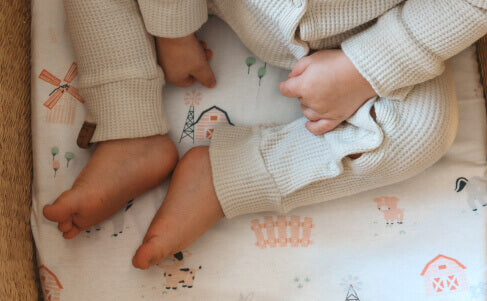
Infant bedding follows a different logic entirely. A baby's skin is thinner and more permeable than adult skin, and infants spend significantly more hours per day in contact with their sleep surface. Fitted crib sheets, bassinet sheets, and changing pad covers require more frequent attention than adult bedding. The baseline shifts from weekly to every few days for most families. Parents soon learn that the standard adult schedule does not apply when caring for a newborn.
Higher Turnover: Spit-Up, Diaper Leaks, and Frequent Laundry Cycles
In practice, baby sheets get washed every two to three days in many homes. Spit-up, drool, diaper leaks, and general infant mess mean that bedding rarely stays fresh for a full week. This is not a judgment on anyone's cleaning habits. It is simply the reality of caring for an infant. Parents need sheets that hold up to repeated laundering without shrinking, pilling, or losing elasticity around the edges. The wear and tear from frequent hot water washing can degrade lower quality sheets quickly.
Why Fit and Certification Matter More for Infant Bedding
When washing happens two or three times per week, sheet quality becomes a practical concern. Sheets that shrink or distort after hot water washes can create a loose fit on a mattress pad. For infant sleep surfaces, a snug fit matters for maintaining a safe sleep environment. And the American Academy of Pediatrics emphasizes that a firm, fitted sheet is part of a safe sleep setup. This is where materials and construction make a difference. A brand that meets these criteria is Joey & Joan, whose bassinet sheets are made from 100% jersey knit cotton and OEKO-TEX Standard 100 certified against hundreds of harmful substances. The custom fit is designed to stay secure through repeated wash cycles, and the brand offers a lifetime replacement warranty. For parents navigating how often to wash baby sheets, having sheets that maintain their shape and softness through dozens of washes makes the chore simpler and the sleep surface more reliable.
How Sheet Quality Affects How Often You Can (And Should) Wash
The Problem with Sheets That Shrink or Lose Shape
When you wash bedding weekly or more often, the fabric endures repeated exposure to hot water, detergent, and mechanical agitation. Lower quality sheets often shrink unevenly after the first few wash cycles, creating loose corners that no longer fit the mattress snugly. Others develop pilling or thinning along high friction areas where the body rests. This degradation means the sheet needs replacement sooner, and during its shortened lifespan it may not maintain a secure fit. For anyone asking how often sheets should be changed in a nursing home or similar setting where hygiene protocols demand frequent laundering, the durability of the sheet directly determines how many cycles it can withstand before wearing out. Sheets that cannot hold up to repeated washing create a cycle of replacement that costs time and money.
What to Look For: OEKO-TEX Certified Cotton That Withstands Laundering
Fabric certification offers one reliable way to assess quality before purchase. OEKO-TEX Standard 100 certification tests textiles against a list of hundreds of harmful substances, including chemicals commonly used in manufacturing that can cause skin irritation or degrade fabric fibers over time. Jersey knit cotton, when constructed with consistent yarn density and reinforced seams, maintains elasticity and softness through repeated wash cycles. The certification does not guarantee that a sheet will never shrink or fade, but it does indicate that the materials and dyes meet established thresholds for safety and durability. Parents managing how often to wash sheets for a baby benefit from knowing the fabric has been tested for residues that could leach out during the first few washes. This kind of verification matters more when sheets go through hot water cycles two or three times per week.
Practical Ways to Keep Sheets Fresher Between Washes

Showering Before Bed
Washing off sweat, oils, and environmental allergens before getting into bed reduces the amount of biological material transferred to the sheets. A quick rinse or bath in the evening can extend the freshness of bedding by a day or two, particularly for people who exercise during the day or work in environments where they accumulate dirt. This habit does not replace regular laundering, but it slows the accumulation rate between wash cycles. For parents already managing frequent laundry loads, this small change can make a difference in how long the sheets stay comfortable.
Using Mattress and Pillow Protectors
A quality mattress protector and pillow encasements create a barrier between the sleeper and the mattress or pillow core. These covers catch most of the dead skin cells, dust mites, and sweat before they reach the mattress. They are easier to remove and wash separately on a monthly schedule. Using protectors means the fitted sheet handles less direct exposure to deep-set debris, which helps keep the sheet itself cleaner for longer. This is especially useful for couples or families where the bedding sees heavier use and the question of how often to wash sheets comes down to how well the bedding is protected between washes.
Air Drying and Spot Cleaning
Between full washes, airing out bedding can help reduce moisture and odor. Pulling the sheets back each morning and letting the bed breathe for thirty minutes before making it reduces the humidity that bacteria and dust mites need to thrive. Spot cleaning small stains with a gentle detergent and cool water can address isolated marks without requiring a full laundry cycle. These small habits help parents who are already managing frequent laundry loads keep bedding fresh without adding more work.
- Shower or rinse before bed to remove sweat and oils
- Use mattress protectors and pillow encasements as a barrier layer
- Pull back bedding each morning to air out the sheets
- Spot clean small stains promptly with mild detergent
- Avoid eating in bed to reduce crumbs and spills
- Keep pets off the bed or use a dedicated pet blanket that washes separately
Summary Recommendations: Matching Frequency to Your Household
| Sleeper Type | Recommended Frequency | Key Rationale |
|---|---|---|
| Adult Couples | Every 7 Days | Higher volume of skin cells and oils. |
| Single Adults | Every 10 to 14 Days | Lower biological load; depends on pet presence. |
| Infants and Toddlers | Every 2 to 3 Days | Frequent spills, spit-up, and diaper leaks. |
| Allergy Sufferers | Every 5 to 7 Days | Reduces dust mite and pollen accumulation. |
Ultimately, the question of how often to change sheets is a balance between your personal health needs and the durability of your textiles. By selecting materials designed for longevity and following a consistent schedule, you create a sleep environment that remains fresh, safe, and comfortable for every member of the family.
References
Frequently Asked Questions
How often does the average person change their sheets?
Most adults should wash sheets every one to two weeks, with seven days as the recommended baseline. This frequency balances hygiene with practicality for the average sleeper. If you have allergies or share a bed, lean toward the weekly mark.
What are signs you aren't washing sheets enough?
Visible buildup like body oils, odors, or debris from dead skin cells are clear signs. You might also notice increased allergy symptoms or skin irritation. If your pillowcases feel greasy or your sheets smell musty, it is time to wash them.
Is it okay to wash bedsheets every 2 weeks?
For a single adult without pets, allergies, or heavy sweating, washing every two weeks is generally acceptable. But if you share a bed or have skin conditions, sticking to a weekly schedule is better to keep dust mites and bacteria in check.
How often should couples wash their sheets?
Couples should aim for a seven-day wash cycle. Two people sharing a bed double the amount of dead skin, sweat, and oils, which speeds up buildup. Weekly washing keeps the sleep surface fresh and reduces allergen accumulation.
How often should you wash baby sheets?
Baby sheets need washing every two to three days in most homes. Infants spend many hours on their sleep surface and have sensitive skin, plus spit-up, drool, and diaper leaks mean bedding rarely stays clean for a full week. Look for sheets that hold up to frequent hot water washing without shrinking.
Does showering before bed affect how often you need to wash sheets?
Showering before bed can extend freshness by a day or two, but it does not replace the need for regular washing. You still shed dead skin cells and oils while sleeping, so the baseline of weekly washing remains important for hygiene.